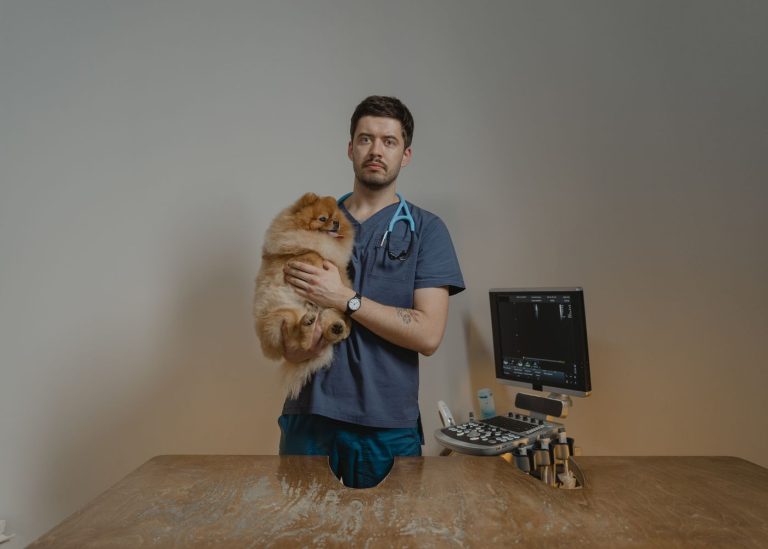
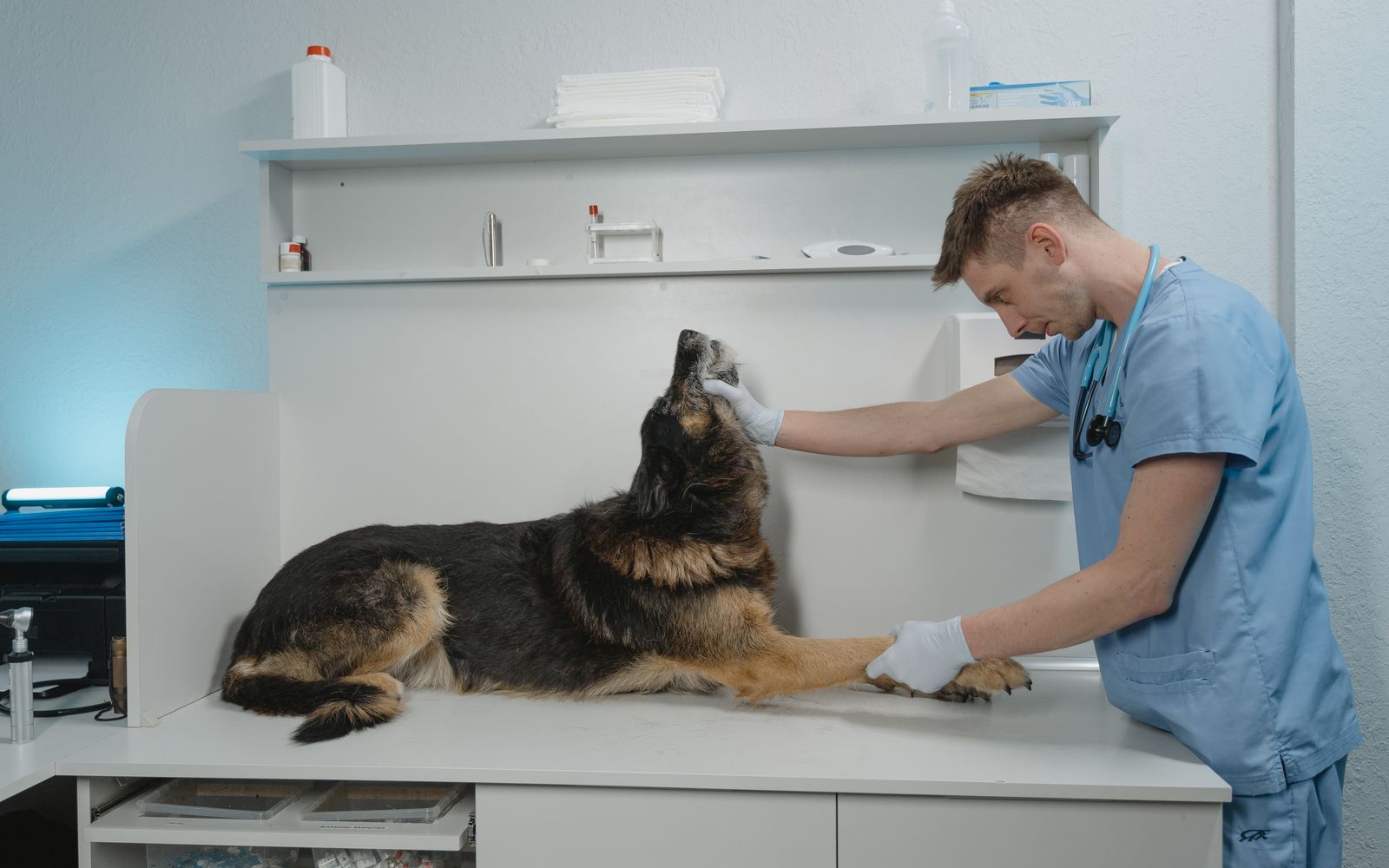
If your regular vet ever sends you to an emergency or specialty hospital, odds are better than even that the referral ends at a corporate-owned facility. Consolidators concentrated on emergency and specialty care first, it’s higher-revenue, less relationship-driven, and easier to run on production metrics.
What changes after an acquisition
The staff often stays. The prices usually don’t. Studies of consolidated veterinary markets show meaningful increases in visit costs after acquisition, alongside shorter appointment windows and higher turnover among associate veterinarians. The vet who saw your dog last spring may be two employers removed by fall.
None of this means the individual vets at corporate hospitals care less, they went to the same schools and took the same oath. It means the person deciding how long your appointment lasts, what gets recommended, and what it costs is increasingly a regional manager working toward a quarterly target.
Questions worth asking
- Who owns this clinic, a veterinarian who practices here, or a group?
- Will my pet see the same vet at each visit?
- Who sets pricing and treatment protocols, this office or a corporate office?
Independent clinics answer these questions happily. Evasive answers are an answer too.
Finding independent care before you need it urgently
The worst time to research ownership is during an emergency. The CorpFree directory lists veterinary clinics that have proven, with documents, a Legal Independence Agreement, and an annual re-check, that they’re still owned by the vets who run them. Find yours before you need them at 2 a.m.